
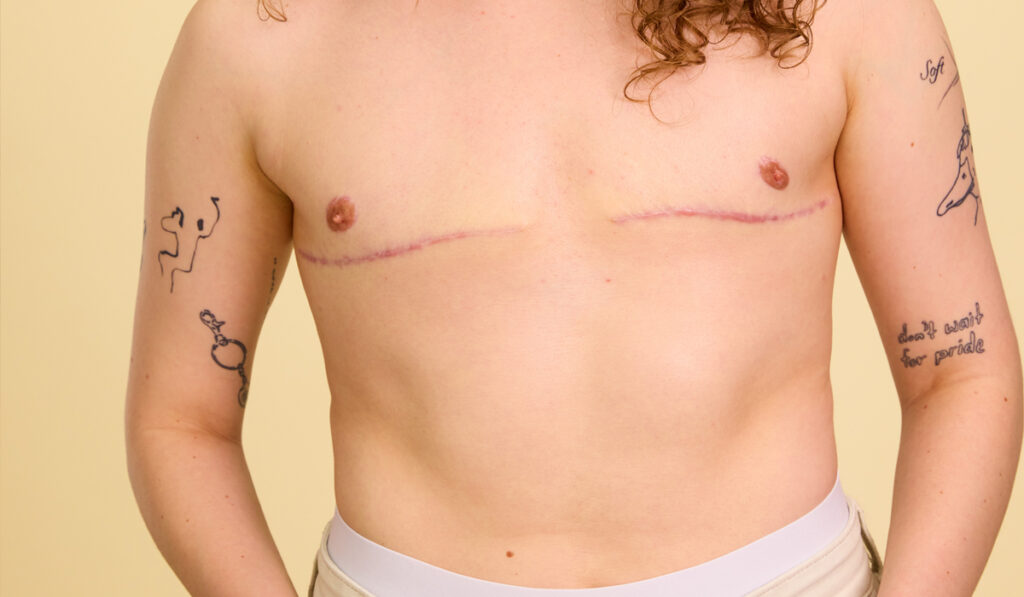
The moment many people start seriously researching top surgery abroad, the same questions come up fast: Is it safe? Will the care be good? What happens if I need support after surgery? And just as often, there is a more personal question underneath all of that – will I be treated with respect the whole way through?
Those questions matter. This is not ordinary travel planning, and it is not just price shopping. Gender-affirming top surgery is deeply personal, medically significant, and often tied to years of waiting, saving, and imagining what life could feel like on the other side. Traveling internationally can make surgery more accessible, but the right decision depends on much more than finding the lowest quote.
Why people consider top surgery abroad
For many trans and nonbinary adults, the biggest reason is cost. In countries like the US and UK, private surgery can be financially out of reach, especially for procedures such as top surgery, breast augmentation, facial feminization, or body masculinization surgery. Even when people are ready emotionally, the numbers can stop them cold.
The second reason is time. Long waiting lists, referral delays, and local barriers can stretch the process by months or years. Some patients know exactly what procedure they want and do not want to remain stuck in a system that keeps moving the goalposts.
There is also a third factor people sometimes hesitate to say out loud: they want a smoother, more affirming experience. When a provider understands ftm, nb and trans care, uses respectful language, and coordinates the journey properly, the process can feel less clinical and less isolating. That matters more than many people realize until they start comparing options.
What makes surgery abroad a good option – and when it may not
Top Surgery abroad can be an excellent option when the destination has experienced surgeons, accredited hospitals, clear pre-op requirements, and reliable aftercare planning. It can also be a smart path when a patient wants all the logistics handled in one place instead of trying to coordinate consultations, medical records, flights, accommodation, and recovery support alone.
But traveling is not right for everyone. If you have a complex medical history, limited flexibility for recovery time, or no support system once you return home, those factors deserve careful attention. International care can reduce cost and waiting time, but it also requires planning around travel stress, follow-up needs, and the reality of healing away from home.
That is why the best decision is usually not based on a single question like, “How much can I save?” It is based on a fuller one: “Can I access safe, appropriate care in a setting where I feel supported before, during, and after surgery?”
How to assess safety for gender affirming surgery abroad
Safety starts with the surgeon, but it does not end there. Patients should look at whether the surgeon is board-certified in the relevant specialty, how often they perform the specific procedure being considered, and whether they have consistent results with nb or ftm patients rather than only general cosmetic cases.
The hospital or clinic matters just as much. An accredited surgical setting, proper general anesthesia support, infection-control standards, and a structured recovery protocol are not extras. They are part of what makes top surgery safer.
Communication is another safety issue, not just a convenience issue. If you cannot get clear answers about risks, expected results, scarring, healing time, or who to contact after surgery, that is a problem. Good care should feel transparent. You should know what is included, what is not, what the timeline looks like, and what support exists if recovery does not go exactly as planned.
Cost savings are real, but context matters
One reason people look to countries like Turkey or Italy, Thailand and other established medical-tourism destinations is that prices can be significantly lower than private care in the UK or US. In some cases, that difference is the only reason surgery becomes possible at all.
Still, the cheapest quote is not always the best value. A lower base price can leave out essential costs such as pre-op testing, compression garments, hospital nights, medications, transportation, or accommodation during recovery. Once those are added back in, the “budget” option may not feel so budget-friendly.
This is where package-based coordination can make a real difference. When travel, transfers, lodging, and post-op planning are considered together, patients can compare options more honestly. Predictable pricing also reduces the mental load. You should not have to guess your way through a medical trip that already carries emotional and physical weight.
The surgeon fit matters as much as credentials
A technically qualified surgeon is essential, but fit also matters. Different surgeons have different approaches to incision placement, scar management, nipple graft techniques, body contouring, or aesthetic goals. That is especially true for top surgery, where results are not just about tissue removal but about chest shape, proportion, and alignment with your goals.
The right surgeon for one patient may not be the right surgeon for another. A lean patient seeking a very flat chest may want something different from a patient prioritizing contour softness or specific scar placement. The same goes for MTF procedures, where expectations around appearance, function, and recovery can vary widely.
This is why personalized matching is more helpful than sending every patient to the same provider. A supportive coordination team should listen closely to your goals and medical background, not treat you like a booking slot.
Travel and recovery need just as much planning as the procedure
One of the most underestimated parts of gender affirming surgery abroad is recovery logistics. Surgery day is only one piece of the experience. You also need to think about when to arrive, how long to stay, where you will recover, how mobile you may be in the first days, and when it is medically appropriate to fly home.
For top surgery, patients often need help with movement, dressing changes, drain care, and follow-up appointments in the early recovery phase. For larger or more complex procedures, that need can be even greater. Trying to manage all of this while navigating a foreign country without coordinated support can add avoidable stress.
That is why concierge-style planning is not just a luxury. For many patients, it is part of feeling safe enough to move forward. Airport pickups, accommodation close to the clinic, language support, and clear post-op instructions can change the experience from overwhelming to manageable.
Emotional safety is part of medical safety
Trans patients know that being medically competent and being affirming are not always the same thing. A clinic can be efficient on paper and still leave a patient feeling unseen, rushed, or disrespected.
When you are traveling for surgery, emotional safety matters even more. You are away from familiar routines, often vulnerable, and preparing for a major body change that may carry years of meaning. Being cared for by people who understand that reality can make recovery feel steadier.
This is one reason many patients prefer working with transgender-focused facilitators such as Neda Transgender Surgery. A team that understands both the clinical details and the emotional significance of transition can offer something generic medical tourism companies usually cannot: reassurance that feels informed, not scripted.
Questions worth asking before you commit
Before booking top surgery abroad, ask how often the surgeon performs your exact procedure, what hospital the surgery takes place in, and what support is available if complications arise. Ask what the full package includes, how long you should remain in the country, and what aftercare looks like once you return home.
You should also ask for realism. What can this surgery do for your body, and what can it not do? How visible will scars be? What is the normal healing timeline? When can you work, exercise, travel, or sleep comfortably again? Good providers do not sell fantasy. They help you make a grounded decision with open eyes.
A better standard for care abroad
The best experiences with top surgery abroad usually share the same core features: experienced surgeons, accredited facilities, transparent pricing, thoughtful logistics, and genuine transgender-centered support. None of those pieces should be treated as optional.
If traveling for top surgery gives you access to care that is faster, more affordable, and still genuinely safe, it can be a life-changing step. The key is choosing a pathway that protects your dignity as carefully as it protects your health.
You deserve more than a procedure. You deserve a plan, a team that listens, and a recovery experience that lets you focus on becoming more fully yourself.